Cleaning with pets: fur, litter and odour tips
Brush your pet often, vacuum with a crevice tool, clean litter and bedding on a routine, and keep toxic plants and products out of reach. A Singapore guide.
By the HomeMaster team · · Updated · 5 min read
Cleaning a home with pets comes down to three things: less fur to start with, a routine that deals with fur, litter and smells before they build up, and a home where the products and plants within a pet's reach are safe. Brush your pet often, vacuum a few times a week with a crevice tool, wash bedding regularly, and store cleaning products the way you would with a toddler in the house.
This guide covers fur on floors and furniture, litter and feeding areas, odours and accidents, pet-safe products and plants, and what to tell a cleaner before a visit.
Start with less fur
The easiest fur to clean is the fur that never reaches the floor. The Animal and Veterinary Service (AVS) says regular brushing once or twice a week helps keep a cat's coat in good condition. For dogs, AVS notes that grooming needs vary by breed: short-coated dogs need minimal brushing, while long-coated and double-coated breeds need regular brushing to prevent matting.
Brush on the balcony or somewhere easy to sweep, not on the sofa. A washable throw on your pet's favourite spot catches most of what is left, and it goes in the washing machine instead of needing the sofa vacuumed every day.
Fur on floors, sofas and beds
Fur drifts. It collects in corners, along skirting, under beds and sofas, and in fabric. A routine that follows it works better than a daily sweep of the middle of the floor.
- Vacuum first, mop second. Wet fur smears and clumps, so get the dry fur up before any water goes down.
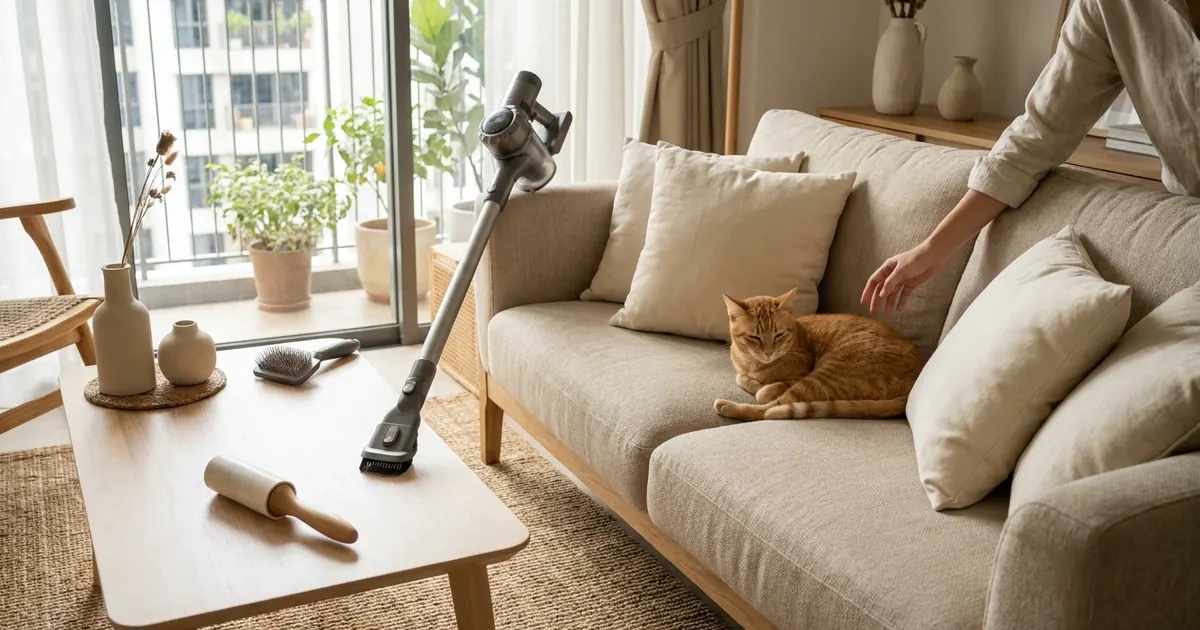
- Use the crevice tool along skirting, in corners and under the sofa, where fur piles up.
- Use the brush or upholstery head on fabric. For fur woven into a sofa or bed cover, a damp rubber glove or a lint roller lifts it first; then vacuum.
- Wipe hard surfaces with a damp microfibre cloth rather than a dry duster, which throws fur back into the air.
- Wash throws, pet beds and your own bedding regularly if your pet sleeps on the bed.
In a home with a long-haired pet, a few quick vacuums a week usually beat one long session, especially during a shedding season.
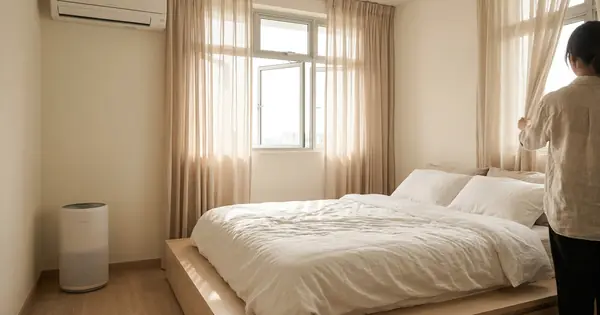
Fur and dander also end up in aircon filters. If your pet sheds a lot, check and wash the filters more often, and keep up regular aircon general servicing so the units keep cooling well.
Litter, cages and feeding areas
- Scoop litter daily and change it fully on the schedule your litter type needs. Wash the tray with warm water and mild soap when you do.
- Put a washable mat under the tray to catch scattered litter, and vacuum around it often.
- Wash food and water bowls daily, and wipe the floor around them, where splashes attract ants.
- Clean small animal cages and change bedding regularly; the cage floor is where smells start.
Decide who handles litter and cages, and say so before any cleaner visits, so nothing is left undone or done twice.
Odours and accidents
Masking a smell with air freshener does not remove it. The source has to go.
- Blot, do not rub. Soak up as much as you can with paper towels, pressing down.
- Use a cleaner made for pet stains, such as an enzyme cleaner, which breaks down the organic matter that causes the smell. Follow the label.
- Let the area dry fully with a fan or open window. In Singapore's humid air, damp fabric keeps smelling.
- Wash anything washable on the hottest setting its care label allows.
An accident that has soaked deep into a mattress, sofa or carpet may need extraction cleaning, which uses a machine to wash the fabric and pull the water back out. That is a specialist job; our guide to what a home cleaner does lists who handles it.
Pet-safe products and plants
Pets walk across freshly cleaned floors and then lick their paws, so a few habits help:
- Let floors dry before your pet walks on them, and rinse surfaces after strong products when the label says to.
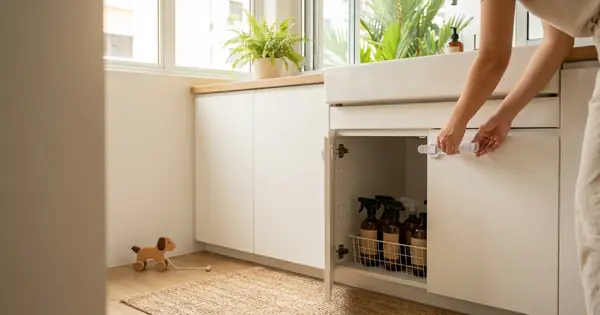
- Store products closed and out of reach. Singapore's Consumer Product Safety Office advises keeping household chemicals in a locked cabinet children cannot reach. The same cabinet works for a curious dog or cat.
- Do not leave a bucket of cleaning water unattended where a pet can drink from it.
Plants deserve a look too. In its guide to indoor plants suitable for pets, NParks lists plants that can harm a dog or cat that eats them, and says they may cause gastrointestinal upset, vomiting and other serious effects. The list includes lily, aloe, snake plant, dieffenbachia, philodendron, jade plant and dracaena, among others. It names areca palm, Boston fern and spider plant among the pet-friendly options, and advises checking with your vet if you are unsure. If you think your pet has eaten something harmful, call your vet straight away.
Telling your cleaner about pets
A cleaner who knows about your pet before arriving can plan around it. Share:
- Which pets you have and their temperament, including a dog that is protective at the door or a cat that bolts.
- Where they will be, for example in a closed bedroom or a carrier, and whether the cleaner can let them into rooms afterwards.
- What they must not be given, including treats, food left on counters and anything from the bin.
- Doors, gates and window mesh. AVS's licensing requirements say cat and dog owners must keep their pet in a safe environment and prevent it from being anywhere that exposes it to the risk of falling from height, for example by meshing windows. If a cleaner opens mesh or windows to clean glass or grilles, ask for them to be closed again at once, or keep your pet in another room while windows are done.
How it works with HomeMaster
Pets add time to a clean, especially long-haired ones, because fur gets into corners and fabric. If you have a dog or cat that sheds heavily, allow a longer session, particularly for the first visit.
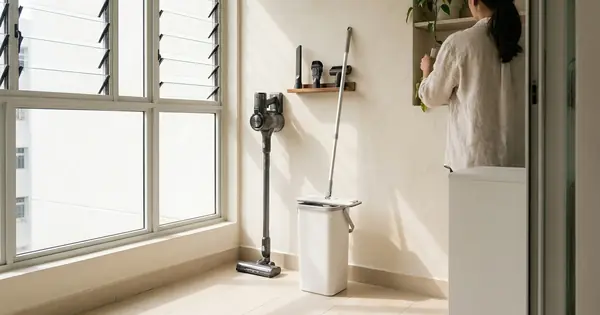
Tell Helen, our AI assistant on WhatsApp, about your pets once, and she keeps it as a standing note for every visit. For home cleaning you provide the vacuum cleaner and mop, so in a pet home a vacuum with strong suction and a crevice tool matters most; your cleaner brings the cloths and the rest of the kit. If you want a particular pet-safe product used on your floors, leave it out and say so. Our guide to the supplies to have ready explains who brings what. You can see what a session includes on our home cleaning page.
Frequently asked questions
How often should I vacuum if I have a dog or cat?
Several times a week is realistic for most pet homes, with a quick daily pass in the areas your pet uses most during shedding season. Short, frequent vacuums keep fur from spreading into corners and fabric, which is where it becomes slow to remove.
What is the easiest way to get pet hair off a sofa?
Run a damp rubber glove or a lint roller over the fabric to gather the fur, then vacuum with the upholstery head. A washable throw on your pet's favourite spot saves most of the work, because it can go straight in the washing machine.
Are household cleaning products safe around pets?
Use them as the label directs, let floors dry before your pet walks on them, rinse surfaces when the label says to, and store products closed in a cabinet pets cannot open. If you think your pet has swallowed a product or a plant, call your vet straight away.
Should my pet be at home when the cleaner comes?
That is fine for most calm pets, as long as the cleaner knows beforehand. Many households keep the pet in a closed room while the rest of the home is cleaned, then swap. Make sure doors, gates and window mesh stay shut throughout.
Sources
- Caring for a cat, Animal and Veterinary Service, NParks
- Caring for a dog, Animal and Veterinary Service, NParks
- Licensing requirements, Animal and Veterinary Service, NParks
- Indoor Plants Suitable For Pets, National Parks Board
- Safety Tips for Storing Household Chemicals, Consumer Product Safety Office
Need a hand at home?
Tell Helen what you need on WhatsApp. She replies with real open times and the exact price, GST included, and weekends cost the same as weekdays.